
Consumer Unit Installation: Costs, Wiring and Upgrading Your Home’s Electrical Panel
When it comes to the electrical heart of your home, the consumer unit plays an essential role in keeping everything safe and functioning correctly. At Cord Electrics, we specialise in consumer unit installation and upgrades, supporting homeowners who want to modernise their properties, improve safety or prepare for new electrical appliances.
So what does a consumer unit do? How does installation work? What are the costs involved and when should you consider upgrading your home’s electrical panel?
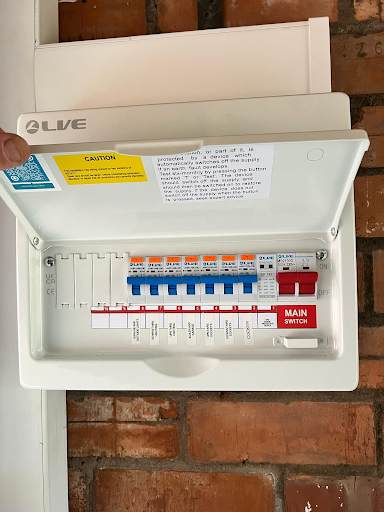
What is a Consumer Unit?
A consumer unit, often known in the past as a fuse box or distribution board, is where the electricity supply from your meter is divided into different circuits around your home. It contains protection devices such as circuit breakers, RCDs or RCBOs. These devices are designed to cut the power when there is a fault. By doing so they help prevent electrical fires, electric shock and overheating: Because of this crucial safety role, the unit must be installed correctly, labelled clearly and kept up to date with modern electrical standards and regulations.
Why You May Need to Upgrade Your Consumer Unit
As technology has advanced, safety requirements and household energy usage have changed significantly. Many older homes still rely on rewirable fuses or consumer units without RCD protection. These are now considered outdated and below modern safety expectations. If your home falls into that category, upgrading your consumer unit is not only recommended but increasingly necessary to meet current regulations.
You may also need to upgrade if you are adding new high-demand appliances into your home. Modern households often include electric vehicle charging points, hot tubs, high-power kitchen equipment or outdoor studio spaces. These additional circuits can place demands on an older consumer unit that it was never designed to handle. If your electrics are tripping frequently or a particular circuit seems overloaded that is a strong indication that the distribution of power needs reconsidering.
If your consumer unit is older than around fifteen years, it is sensible to have it reviewed. Modern living places far greater strain on electrical systems than in the past. An older panel may not provide the level of protection that you now require. Updating the consumer unit can also be beneficial when selling your home. A modern, fully certified consumer unit provides confidence to potential buyers and can help avoid problems during surveys.
The Process of Consumer Unit Installation
When we carry out a consumer unit installation, we begin with a thorough inspection of your existing electrical system. This allows us to understand the layout of your circuits, any existing issues and the most suitable size and configuration for your new consumer unit. Factors such as the number of circuits, any outdoor buildings and future electrical needs must all be taken into consideration.
Once the initial assessment is complete, we safely isolate the power supply before removing the old consumer unit. The new unit is then mounted in an appropriate location that is both easily accessible and compliant with the latest standards. Wiring is carefully checked and reconnected. All cables must be supported properly, terminated securely and protected where necessary. Attention to detail at this stage is vital because the long-term safety and reliability of the system depend on the quality of this work.
Modern standards require most household circuits to be protected by RCDs or RCBOs. These devices help protect against electric shock and allow faults to be detected and isolated quickly. Once configured, each circuit is clearly labelled so that the consumer unit is simple to understand and operate. We then carry out a full sequence of electrical tests. These checks verify that all circuits have been wired correctly and that the protection devices are working as intended.
At the end of the installation, we explain how the new consumer unit works, how to safely reset breakers if needed and what to monitor in the future. Certification is issued to confirm that the installation complies with current British Standards.
How Much Does Consumer Unit Installation Cost?
The cost of installing or upgrading a consumer unit varies depending on several factors. These include the size and specification of the unit required, the number of circuits, the condition of the existing wiring and whether additional work such as bonding or cable replacement is needed. The location of the consumer unit can also influence cost, particularly if access is awkward or if relocation is required to meet modern safety regulations.
As a general guide, a straightforward domestic consumer unit replacement usually begins from a few hundred pounds. More complex installations with additional circuits or adjustments to existing wiring will increase the overall cost. While this can be a significant investment it is important to consider the long-term benefits. A modern consumer unit offers improved protection, reduces the risks associated with older wiring systems and provides capacity for future electrical upgrades.
Consumer unit installation is one of the most effective ways to improve the safety and reliability of your home’s electrical system. A modern unit offers greater protection, clearer organisation of circuits and the flexibility to accommodate new appliances and technologies. Whether your current fuse box is outdated, you are experiencing electrical issues or you are planning a renovation, upgrading your consumer unit is a practical and worthwhile step.
If you would like advice or a quotation, we are here to help with clear guidance, professional installation and a focus on safety and reliability. Upgrading your consumer unit today ensures a safer and more efficient electrical system for your home tomorrow.